how can GLP-1 make you lose weight? side effects and how to boot it naturally?
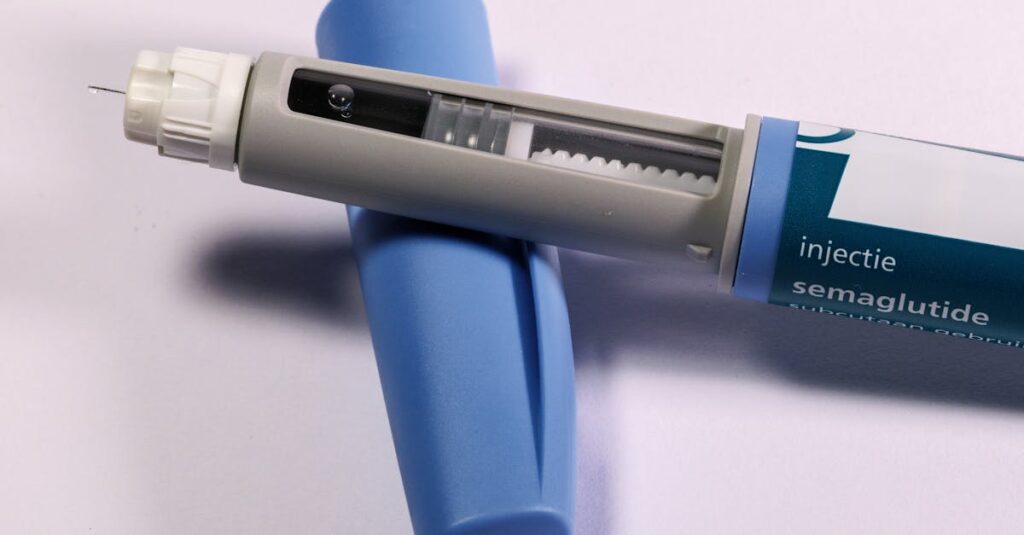
Most people are now aware of the “miracle” weight-loss drug that Elon Musk mentioned and that Kim Kardashian is suspected of using to lose weight. This medication was first developed to treat type 2 diabetes. Today, doctors also prescribe it to people who are overweight or obese to support weight loss. These drugs belong to a class called GLP-1 receptor agonists.
What is GLP -1 ?
Glucagon-like peptide-1 is a natural hormone produced by the gut that helps regulate appetite and blood sugar. This hormone stimulates insulin, slows digestion and suppresses appetite.
And GLP -1 agonist ?
What people inject today are not GLP-1 itself, but synthetic molecules designed to mimic its effects.
Why are GLP-1 injections so popular for weight loss ?
When we eat, the body releases the GLP-1 hormone in the digestive tract. However, this hormone has a very short lifespan. Within minutes, and at most a few hours, enzymes break it down. As a result, its effects fade quickly.
In contrast, GLP-1 receptor agonist injections last much longer. These synthetic molecules remain active up to ten times longer than natural GLP-1. Therefore, their effects are stronger and more consistent.
As a result, several changes occur:
- Slower gastric emptying, which creates a longer-lasting feeling of fullness
- Reduced appetite, making it easier to eat much less or skip meals
- A large calorie deficit, leading to rapid and significant weight loss
- Less food noise
- A stronger sense of control over body weight
Because of these combined effects, the results appear impressive. Depending on the medication, some people can lose up to 2% of their body weight.
The rapid weight loss and the feeling of being in control over appetite and cravings are the reasons why GLP-1 agonist drugs are so popular for weight loss.
Side Effects and Long-Term Risks
However, GLP-1 weight-loss injections also come with real risks and side effects.
First, rapid weight loss often leads to muscle loss, especially when calorie intake becomes very low. At the same time, some people experience visible facial changes, commonly referred to as “Ozempic face,” as fat loss occurs faster than the skin can adapt.
In addition, hair loss and persistent fatigue are frequently reported, mainly due to under-nutrition and loss of lean mass.
Beyond physical effects, these medications can also create a strong psychological dependence. Many people fear eating normally or stopping the injections, as appetite control becomes external rather than learned.
Finally, the yo-yo effect is a major concern. Like any very low-calorie approach, weight regain often occurs once the injections stop. Studies consistently show that when treatment ends, weight regain is common and sometimes substantial. Worse, the weight regained is mostly fat mass, while the initial weight loss included both fat and muscle. As a result, some individuals regain nearly all the weight they lost, but with a less favorable body composition.
What GLP-1 Drugs Don’t Fix ?
Despite their effectiveness, GLP-1 weight-loss injections do not address the root cause of weight gain.
The drugs reduce appetite significantly and in a way that is not natural or sustainable in the long term. They don’t teach people how to eat healthy, how to manage hunger, or how to manage emotional eating. As a result, eating behaviours and lifestyle habits often remain unchanged.
In addition, relying on injections shifts control away from the individual. Appetite regulation becomes external rather than internal, which makes long-term autonomy difficult. Over time, this creates a fragile situation: weight stays under control only as long as the medication continues. Once it stops, hunger returns, old habits resurface, and weight regain becomes likely.
Therefore, without addressing nutrition quality, muscle preservation, physical activity, and the relationship with food, GLP-1 injections act as a temporary solution rather than a long-term fix.

How to Boost Your Own GLP-1 Naturally ?
GLP-1 does not last long in its natural form.
However, this does not mean it is ineffective. On the contrary, when GLP-1 is stimulated correctly and consistently, its benefits accumulate over time.The goal is not to increase permanently, but to trigger it at every meal. This starts with how you eat, not how little you eat.

Minimally processed foods stimulate GLP-1
Vegetables, legumes, fruits, whole grains, nuts, and quality proteins. Fresh foods all send the right signals to the gut, that we are getting the right nutrients and enough calories. We start feeling satiated.
Starting meals with fibre-rich foods
Meal structure plays a key role to activate GLP-1.
Aim to always start with a starter like a green salad or vegetables, followed by protein, and finishing with carbohydrates for prolonged satiety.
Protein strongly stimulates GLP-1
Include a source of protein in every meal, to support longer-lasting fullness.
Healthy lifestyle = healthy hormones
Chronic stress, eating on the go, lack of sleep, consistent snacking blunt GLP-1 signaling. In contrast, calm meals, regular eating patterns, movement, and adequate sleep improve the body’s natural hormonal response.
Consistency is the real secret
Triggering GLP-1 once is not enough. However, stimulating it at every meal, day after day, helps rebuild appetite awareness, reduce overeating, and restore trust in the body’s natural signals.
Unlike injections, this approach does not offer instant results
But it builds something far more valuable: long-term autonomy, metabolic resilience, and a healthier relationship with food.