
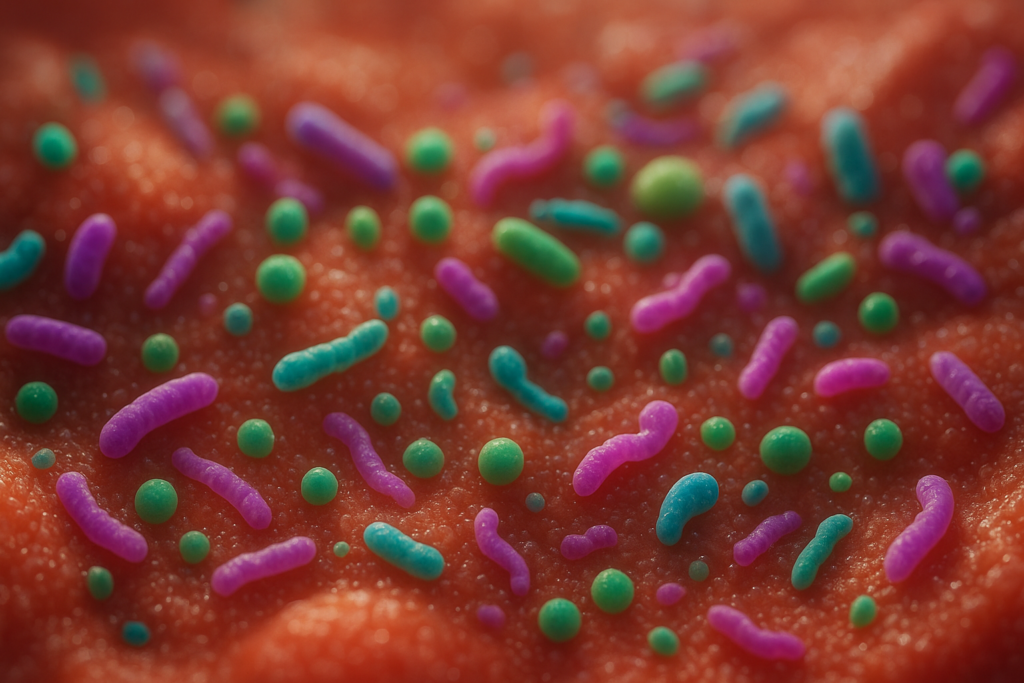
Over the past decades, ultra-processed foods (UPFs) have quietly taken over our plates. In the UK, for example, they now provide more than half of the average daily calorie intake. As a result, this dietary shift is not just changing our waistlines. It is also fundamentally reshaping the gut microbiome, with serious consequences for metabolic health, weight gain, and obesity.
This pillar article explains, in clear and accessible terms, how ultra-processed foods damage the gut microbiome, why this disruption promotes weight gain, and what you can do to protect your gut and long-term health.
What are ultra-processed foods (UPFs)?
Ultra-processed foods are foods that have been manufactured and processed in a factory. As a result, the level of processing is so high that the foods are stripped of their fibre, nutrients, and vitamins, and often contain additives to prolong their shelf life. Most of the ingredients are cheap and synthetically produced in a laboratory. For example, using refined seed oils instead of butter is cheaper and allows the product to last longer.
Common examples include:
- Industrial pizzas and ready meals
- Burgers, nuggets and processed meats
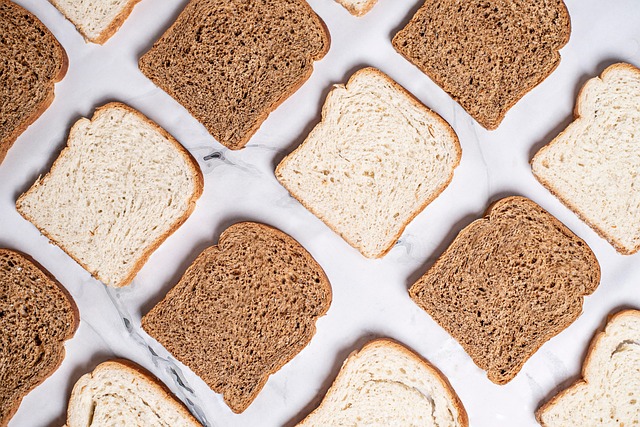
- White bread and refined bakery products
- Breakfast cereals high in sugar
- Biscuits, cakes and confectioner
- Sugary drinks and industrial fruit juices
As a consequence, these foods are typically low in fibre and micronutrients, but high in refined carbohydrates, unhealthy fats, and additives.
Digestion of Ultra-processed foods
Most ultra-processed foods are digested very quickly in the small intestine. Refined sugars and flours are absorbed early, leaving almost nothing to reach the large intestine. When food reaches the colon without fibre, gut bacteria are not fed. Over time, this starvation changes the microbial ecosystem and not in a healthy way.
The gut microbiome: your invisible metabolic organ
The gut microbiome is made up of trillions of microorganisms, mainly bacteria, living in the large intestine. They play an active role in:
- Digesting fibres and food residues
- Producing fatty acids ( Butyrate, acetate and propionate)
- Producing vitamins (K and B 12)
- Regulating inflammation by strengthening the gut lining
- Supporting the immune system
- Influencing metabolism and body weight by producing hormones (like GLP-1, PYY, Ghrelin) to signal satiety or hunger
How UPF damage the gut microbiome
Ultra-processed foods affect the microbiome through multiple mechanisms:
1. They starve beneficial bacteria
Good gut bacteria feed on dietary fibres. UPFs contain very little fibre, meaning good bacteria slowly die off or lose their competitive advantage. By eating too many ultra-processed foods, your gut bacteria become specialized in digesting this type of food only, which leads to a less diverse microbial population.
2. They reduce microbial diversity
A diet low in fiber and high in sugar requires only a small number of bacterial species. When we eat less diverse foods, our gut microbiome becomes less diverse as well, which ultimately weakens gut resilience.
3. Additives disrupt the gut barrier
When we digest ultra-processed foods, we also digest the cocktail of additives they contain. These additives are not natural, and our bodies don’t really know how to handle them. Many studies now show a link between certain additives, such as emulsifiers, and altered gut permeability. They can damage the gut lining, leading to low-grade inflammation and, in some cases, food allergies.
4. They promote chronic inflammation
We now know that consuming ultra-processed foods damages the gut lining and exposes the immune system. When the gut barrier is weakened, unwanted particles and microorganisms can leak into the bloodstream and trigger an immune response. Over time, this constant immune activation creates chronic inflammation, which increases the risk of developing chronic diseases.
Increased gut permeability has been associated with several chronic inflammatory conditions, including inflammatory bowel diseases such as Crohn’s disease and ulcerative colitis, autoimmune disorders like rheumatoid arthritis and type 1 diabetes, as well as metabolic conditions such as obesity and type 2 diabetes.
Restore a healthy gut microbiome
The very first step to restoring a healthy gut microbiome is to significantly reduce your consumption of ultra-processed foods. It’s like fixing a leak in your sink: the first thing you do is turn off the water. When you stop eating ultra-processed foods, you stop feeding the inflammation in your body that comes directly from what you eat.
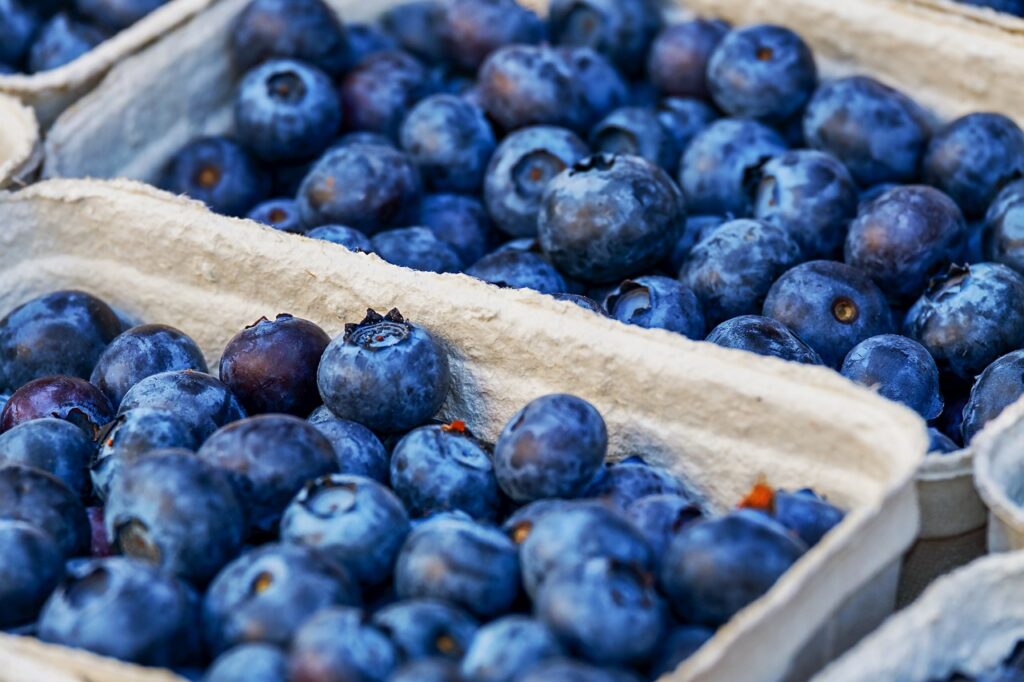
The second crucial step to restoring a healthy gut is to feed your gut microbiome properly. This means regularly eating fibre-rich foods, including:
- Vegetables and fruits
- Legumes (lentils, beans, chickpeas)
- Whole grains and wholemeal flours
- Wholegrain or sourdough bread
Prebiotics and probiotics: rebuilding the ecosystem
Restoring gut health requires both nourishment and beneficial bacteria.
Probiotics provide live bacteria
Some foods are rich in probiotics like fermented foods
- Kefir
- Unpasteurised sauerkraut
- Kimchi
- Miso
- Yogurt
- Kombucha
- Sourdough Bread
Or you can buy a course of live bacteria from the pharmacy.
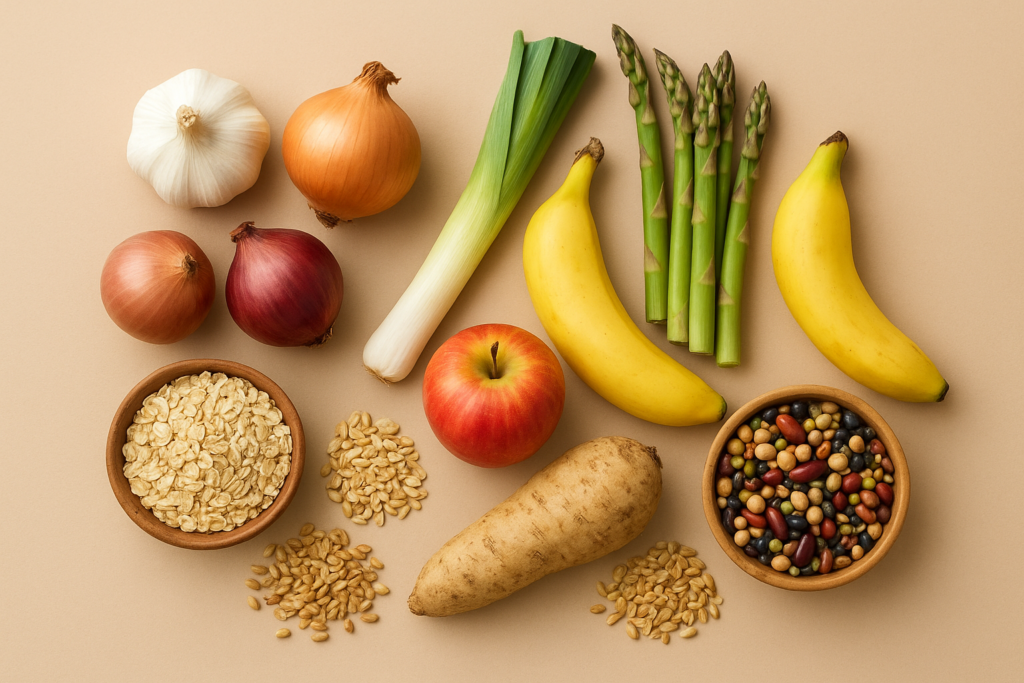
Prebiotics feed good bacteria
Certain fibres act as powerful prebiotics, particularly inulin and fructans. Foods especially rich in these fibres include:
- Garlic
- Onions
- Leeks
- Asparagus
- Bananas
- Apples
- Oats
- Barley
- Chicory root
- Legumes
- Whole grains
Gut microbiome and obesity
A disrupted microbiome (dysbiosis) directly influences body weight. An unhealthy microbiome can:
- Increase energy extraction from food
- Promote fat storage
- Disrupt hunger and satiety hormones
- Increase sugar cravings
- Reduce insulin sensitivity
In a country like the UK, where ultra-processed foods dominate the diet, microbiome disruption is a major contributor to obesity and overweight. Most of the time, this factor is ignored. That’s why my goal is to raise awareness about how ultra-processed foods can harm health.
You can explore our section on healthy, balanced recipes to help you find easy and nutritious alternatives to ultra-processed foods.
Very interesting article about the role of microbiome in weight loss and how UPF can influence it negatively.