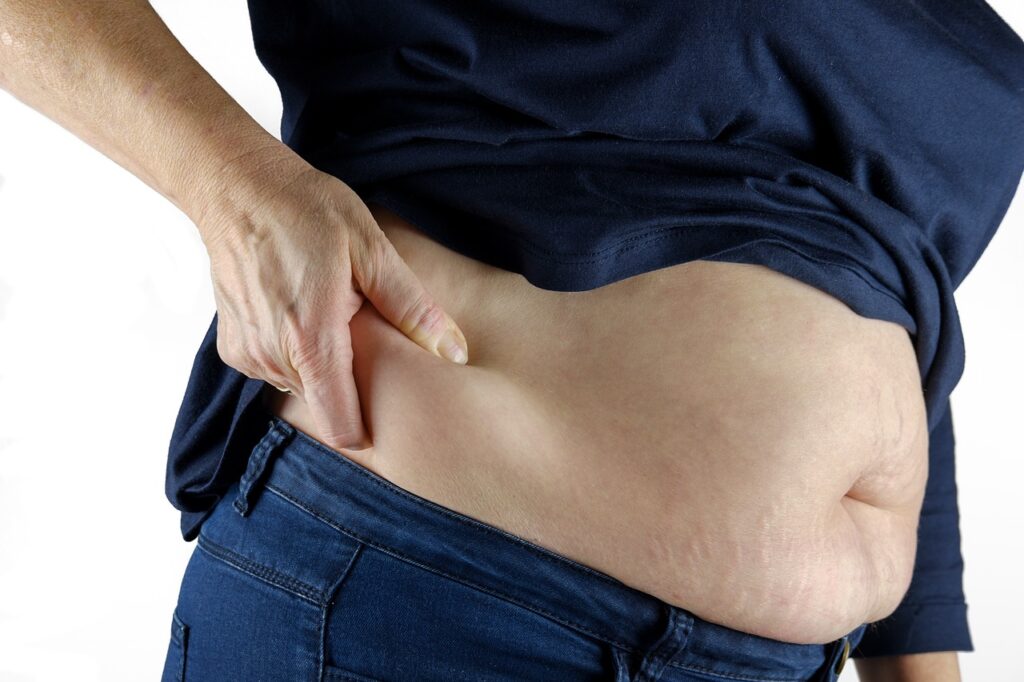

The principle of intermittent fasting
As the name suggests, intermittent fasting refers to a way of eating that involves not eating for a set period of time.
Fasting is not a recent discovery. In fact, it exists in almost every civilisation and has long been practised across cultures and religions. For centuries, people have used fasting for spiritual, cultural, and health-related reasons. However, the most popular and widely discussed approach today is what we now call intermittent fasting.
Intermittent fasting works by alternating between an eating window and a fasting period. In other words, you eat during specific hours of the day and avoid food for the rest of the time.
What is the 16:8 method?
The duration of the fast varies and the most popular one is the 16-8: abstaining from food for 16 hours, followed by an 8-hour eating window, for example from 8 a.m. to 4 p.m.
When did I start intermittent fasting ?
The first time I heard about intermittent fasting was in 2018. One of my friends explained how he used it to lose fat and become leaner as a weightlifter. At the time, I didn’t realise it, but I was already practising a very natural form of intermittent fasting without following any rules or labels.
I used to go to work early without eating breakfast and wait until around ten o’clock, when hunger naturally kicked in. Then I would have a small bowl of fruit before eating lunch at midday. Some mornings, I skipped breakfast entirely. Looking back, I realised that I was already fasting not strictly, and certainly not following a 16-hour fast. At most, my fasting window reached around 14 hours.
However, I wasn’t forcing anything. I simply followed my body and responded to my hunger signals. As a result, this way of eating felt easy and intuitive. My conversation with my friend didn’t change my eating habits. At that point, I felt comfortable with my diet and had a balanced, healthy relationship with food.
In 2022, after my second pregnancy, I gained some weight and felt eager to lose it. That’s when I remembered my earlier conversation about intermittent fasting as a weight loss method.
So I started researching it more seriously. At first, I felt enthusiastic and reassured by what the science seemed to say about intermittent fasting and fat loss.
The benefits of intermittent fasting
Several studies suggest that intermittent fasting can offer real benefits.
Fat management:
During fasting periods, the body naturally taps into its fat stores to produce energy. This makes fat loss easier, as long as you don’t compensate by overeating during the eating window.
Inflammation and cellular protection:
Some research also points to reduced inflammation and better cellular protection. In plain terms, this may help slow down ageing and support long-term health.
In theory it sounds great. What about the practice ?
My experience with intermittent fasting
I started my journey by following the protocol of intermittent fasting, which put in simple words : skipping a meal.
Yes, it is as simple as that, to be able to complete the 16 hours fasting window you only have the choice between skipping breakfast or dinner. In my case, it was easier to skip breakfast because I was not hungry that much in the mornings, but I eventually started feeling the hunger mid morning.
Why intermittent fasting is not for everyone ?
Following intermittent fasting strictly made me realise something important: it did not respect my hunger signals. During the fasting window, I had to ignore hunger cues on purpose.
As a result, I started thinking about food more often. When the eating window finally opened, my appetite felt stronger, and I naturally ate more than I would have if I had not been fasting. My body was simply compensating for the skipped meal.
Over time, I felt forced to extend my fasting periods longer and longer to counterbalance this increased intake.
The reality was difficult to accept. Yes, I did lose some weight. However, I also felt frustrated most of the time, constantly hungry, and far more focused on food than before. When it was time to eat, I consumed very large portions in a single meal, sometimes the equivalent of two meals at once, simply to calm the hunger.
Gradually, I started losing control over my food intake. I often felt bloated, especially after lunch or my last meal of the day, because I had eaten too much in one sitting. Instead of improving my relationship with food, intermittent fasting made it worse.
At one point, I even questioned whether I was developing disordered eating patterns. Clearly, intermittent fasting had altered my behaviour around food.
In the end, I had to accept the hard truth: this approach was not working for me.
Survival mechanisms activated
When We consciously decide to ignore hunger that’s when the brain perceives restriction, it interprets it as a threat. In response, it activates survival mechanisms designed to keep us alive. As a result, it pushes us to overeat during the eating window in order to compensate.
Precaution
Despite its benefits, intermittent fasting is not a solution to lose weight, in my case it was counter-productive. In many situations intermittent fasting should not be adopted : pregnancy, breastfeeding, eating disorders, medical treatments, children … Consulting a healthcare professional before deciding to give it a go is essential.
Why intermittent fasting can lead to overeating
1. Intermittent fasting increases hunger
Long fasting periods increase ghrelin, the hormone that stimulates appetite. At the same time, levels of leptin, the hormone that signals fullness, can drop significantly.
The result? You don’t just feel hungry, you feel urgently hungry, ready to eat anything which makes overeating far more likely.
2. Intermittent fasting triggers cravings
Extended fasting can lead to drops in blood sugar, particularly in people who are already sensitive to it. When eating resumes, the body pushes you to seek quick energy, usually sugar and refined carbohydrates. This isn’t a lack of willpower; it’s just basic survival biology.
3. Intermittent fasting slows down fat loss
Fasting is admitted to be a source of stress for the body, it can be a positive stress. But when intermittent fasting is too aggressive or becomes chronic the body interprets it as a stress or famine signal. In response, it tries to conserve energy and increase food intake when food becomes available. This adaptive response helped humans survive but today, it can stall fat loss.
4. Mental restriction leads to rebound eating
Strict time rules around food can increase mental deprivation. When the eating window opens, the brain shifts into “now or never” mode, encouraging larger portions and faster eating. This often leads to consuming more calories than if meals were spread more evenly.
This is the reasons why you may be overeating while practicing intermittent fasting.
How did the ancient civilization fast ?
In every civilization, there is a form of fasting, but how did they do it ?
Periodic fast
The answer is they did not fast chronically. They did not fast all year around, they had a defined period of occasional longer fasts for spiritual reasons. The rest of the year they were eating normally. Extended fasts were rare, intentional, and temporary, not repeated week after week for fat loss.
The contrast with our approach
Today, we are trying intermittently fast everyday. When fasting is a positive stressor to our body, the chronic stress from fasting can harm our metabolism.
Intermittent fasting was short and regular
When we look back few even just decades ago, people did a mild intermittent fasting which I believe is the best practice: meals followed daylight, which means early dinner that leads to a long overnight fast. Between 12 to 14 hours maximum.
Food quality prevented overeating
Before, when people broke a fast, they ate:
- Whole foods
- High fibre
- High nutrient density
- Low sugar
There were no UPF, hyper-palatable foods designed to hijack appetite. So even after fasting, overeating was naturally limited. You can’t binge on lentils, vegetables, olives, eggs, and broth the way you can on biscuits and sugar.
Intermittent fasting was not a thing
People did not need intermittent fasting to make them lose weight. They followed the natural way of life and they were patient. Everything takes time but we are in a world where we want everything right now.
Meals used to be a source of joy, accomplishment, a social event for sharing around a table. The satisfaction came from the ritualisation around the meal. This allowed satiety hormones to activate properly.
Overeating wasn’t impossible but it was far less likely.
Practical advise
Intermittent fasting is not for everyone. I would say especially women even though there’s always cases where people attest that it works fine for them. It is a tool that can help some people but be completely counterproductive for others.
For women, it can create hormonal imbalance, blood sugar instability, and psychological pressure.
Fat loss depends on consistency, not extremes
Weight loss is driven by sustainable energy balance over time. If intermittent fasting leads to repeated cycles of restriction followed by overeating, the overall calorie intake may end up higher, not lower, making fat loss harder, not easier.
What really works?
Listen to your body and do not force it. Our bodies are much smarter than us.
They accumulated millions of years of evolution and they know best that’s why we should trust them. On the other hand, what we should not trust is the food industry, they try to feed us with low quality products that mislead our satiety and appetite signals to make us overconsume.
Intermittent fasting can be an option from time to time to get the health benefits it offers, but it shouldn’t be done everyday. It should not be a constraint or a chronic deprivation.
Focusing on a balanced, enjoyable and frustration free diet remains the key to lasting well-being.