
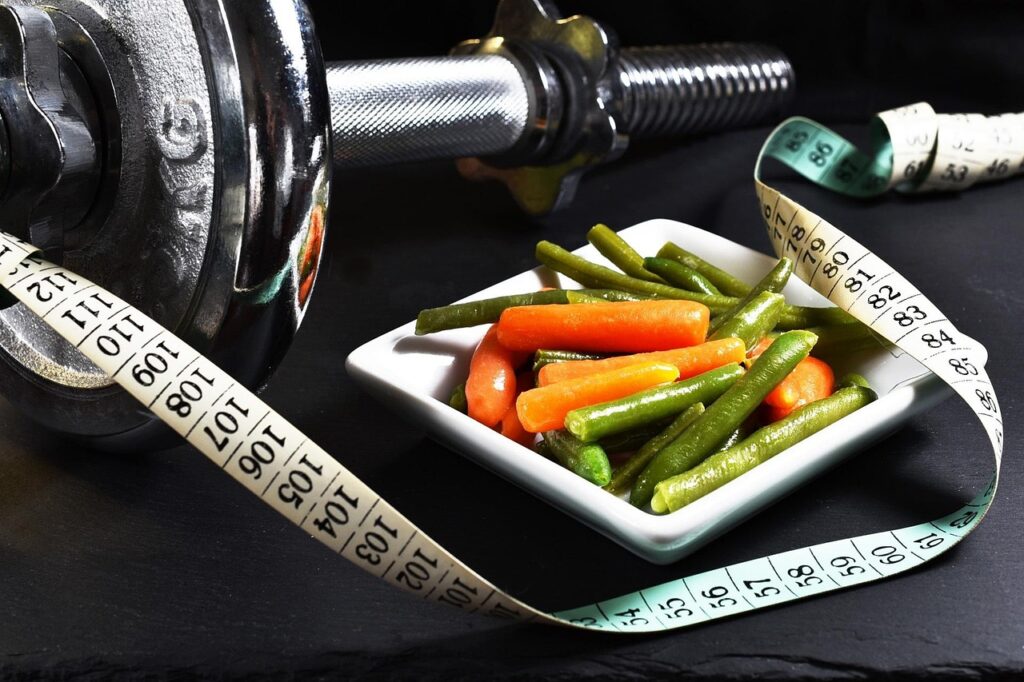
If you’ve ever lost weight quickly only to gain it all back (and then some), you’re not alone. Studies consistently show that most restrictive diets fail in the long run, not because people lack willpower, but because the approach itself isn’t built to last. Sustainable weight loss isn’t about eating less for a few weeks. It’s about rebalancing your relationship with food so that healthy habits become your new normal.
In this guide, we’ll walk through realistic, science-backed strategies to help you lose weight steadily, keep it off, and feel better in the process without extreme restriction or short-term fixes.
Why Fad Diets Don’t Work Long-Term
Crash diets and extreme calorie restriction often lead to rapid weight loss, but also to muscle loss, a slower metabolism, and intense cravings. Once the diet ends, old habits creep back, and the weight often returns. This cycle, sometimes called “yo-yo dieting,” can make future weight loss even harder.
The alternative? A sustainable approach that focuses on long-term weight loss through small, consistent changes rather than dramatic overhauls. Here’s how to get there.
1. Set Realistic, Non-Scale Goals
Instead of fixating solely on a number on the scale, set goals around behaviours you can control: cooking at home four times a week, walking 8,000 steps a day, or adding a vegetable to every meal. These process-based goals build momentum and are far easier to sustain than an abstract “lose 20 pounds” target.
2. Prioritize Protein and Fiber at Every Meal
Protein and fiber are the two nutrients most linked to satiety meaning they keep you full longer and reduce the urge to snack. Practical swaps include:
- Adding eggs, Greek yogurt, or legumes to breakfast
- Choosing whole grains over refined carbs
- Filling half your plate with vegetables at lunch and dinner
This simple shift naturally reduces calorie intake without the need for strict counting.
3. Practice Mindful Eating
Mindful eating means slowing down, eliminating distractions (like phones or TV), and paying attention to hunger and fullness cues. Research shows this can reduce overeating and emotional eating, two of the biggest obstacles to rebalancing eating habits long-term.
Try this: put your fork down between bites, and pause halfway through your meal to check in with your hunger level.
4. Don’t Eliminate ; Moderate
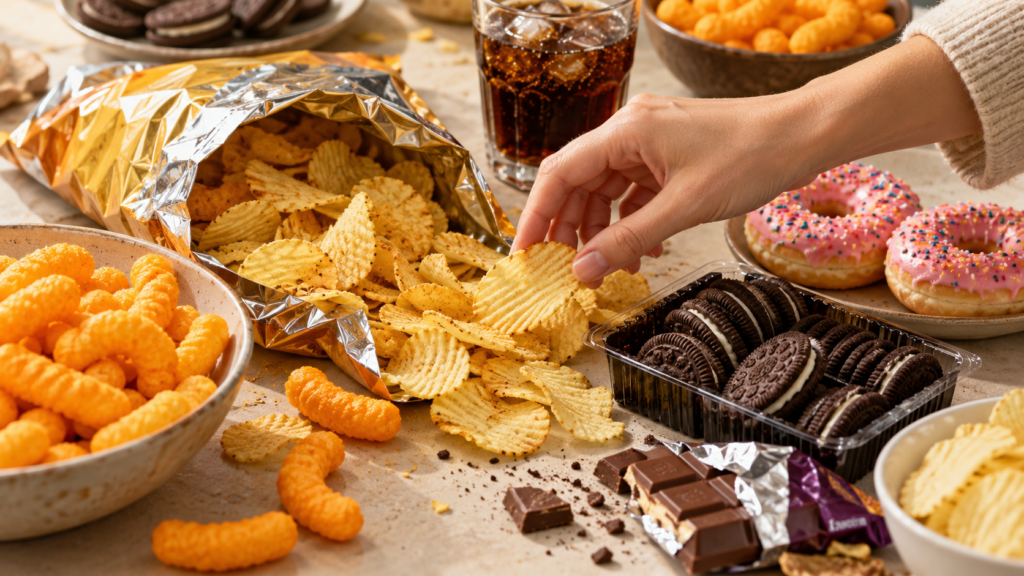
Sustainable weight loss rarely involves cutting out entire food groups or “banning” foods you love. Restriction often backfires, leading to guilt and binge cycles. Instead, practice the 80/20 approach: eat nutrient-dense foods most of the time, and allow yourself flexibility the rest of the time.
5. Build Consistent Movement Into Your Day
Exercise supports weight loss, but consistency matters more than intensity. Rather than committing to daily intense workouts you’ll abandon in a month, focus on movement you actually enjoy : walking, cycling, dancing, or strength training two to three times a week. Strength training in particular helps preserve muscle mass during weight loss, which keeps your metabolism running efficiently.
6. Prioritize Sleep and Stress Management
Poor sleep and chronic stress raise cortisol levels and disrupt hunger hormones like ghrelin and leptin, often leading to increased cravings and overeating. Aiming for 7–9 hours of sleep and incorporating stress-reduction techniques (like short walks, journaling, or breathing exercises) can meaningfully support your weight loss efforts ,even without changing your diet.
7. Plan Meals : the best sustainable weight loss tool
Meal planning removes decision fatigue and reduces reliance on convenience foods. Keep it simple:
- Batch-cook proteins and grains at the start of the week
- Keep quick, healthy staples on hand (canned beans, frozen vegetables, eggs)
- Plan one flexible “off-script” meal so the plan feels sustainable, not rigid
8. Track Progress Beyond the Scale
Weight can fluctuate daily due to water retention, hormones, and digestion. Instead of relying solely on the scale, track progress through energy levels, how your clothes fit, strength gains, and consistency with your habits. This keeps motivation steady even during natural plateaus.
9. Stay Hydrated
Thirst is often mistaken for hunger. Drinking water throughout the day and especially before meals can help regulate appetite and support digestion, making it a small but effective piece of the puzzle.
10. Give Yourself a Long Timeline
Sustainable weight loss typically happens at a rate of 0.5–1 kg (1–2 lbs) per week. It may feel slow compared to fad-diet promises, but this pace is far more likely to result in weight loss that stays off, because it gives your habits and your body time to adjust.
The Bottom Line
Sustainable weight loss isn’t a 30-day challenge it’s a shift in how you relate to food, movement, and your body over the long term. By focusing on protein and fibre, mindful eating, consistent movement, quality sleep, and realistic goals, you can rebalance your eating habits in a way that lasts well beyond any diet trend.
Small, consistent changes compound over time. Start with one or two tips from this list, build confidence, and layer in more as they become habit.
Frequently Asked Questions
How fast is healthy weight loss? Most experts recommend losing 0.5–1 kg (1–2 lbs) per week for sustainable, long-term results.
Do I need to cut carbs to lose weight sustainably? No. Sustainable weight loss focuses on balance and nutrient quality rather than eliminating entire food groups like carbohydrates.
Why do I keep regaining weight after dieting? Rapid, restrictive diets often lead to metabolic slowdown and rebound eating. A gradual, habit-based approach reduces this risk significantly.

Pingback: Gluten free pancakes with bananas