Can You Lose Weight Without Following a Diet? 4 Practical strategies.
Why most diets fail?
Most diets fail. Not because people lack willpower, but because the human brain is designed to store energy, not lose it. From a biologicalpoint of view, our body perceives a diet as a threat to survival. The sudden lack of energy is an immediate danger.
So, when we follow a very restrictive diet, we are literally fighting against our brain. An intelligence that proved to be right throughout thousands years of evolution. So, we already know who is going to win this fight.
Your brain will always win, it’s the result of thousands of years of evolution.
What is the solution to lose weight without dieting
This sounds like an enigma? It can be for a lot of us. Especially if we have been trying so many fad diets. The solution is very simple:
A small, subtle calorie deficit.
So subtle that your brain doesn’t even notice it. That’s the key. Trick your brain !
Instead of skipping an entire meal, you might simply skip dessert. Instead of choosing creamy, calorie-dense dishes at a restaurant, opt for meals based on vegetables, fish or lean meat.
If you eat out at lunchtime, keep dinner lighter.
The Sustainable weight loss strategies. No diet involved
You will need to adjust a few fundamental areas of your life in order to influence your weight in the long term.
1. Your Environment
Your environment shapes your behaviour towards food.
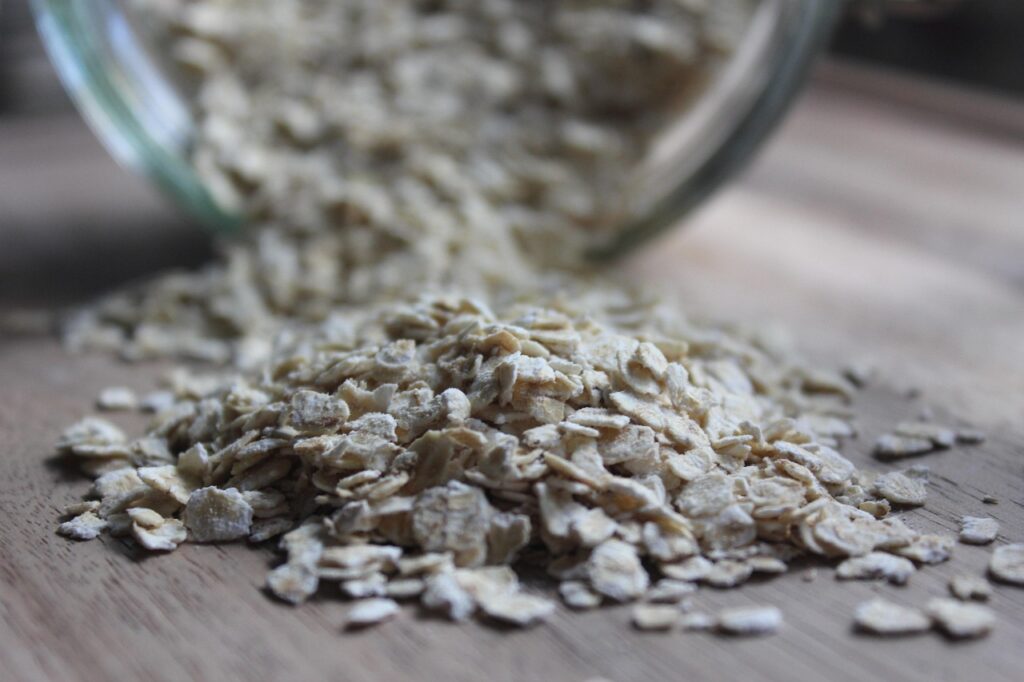
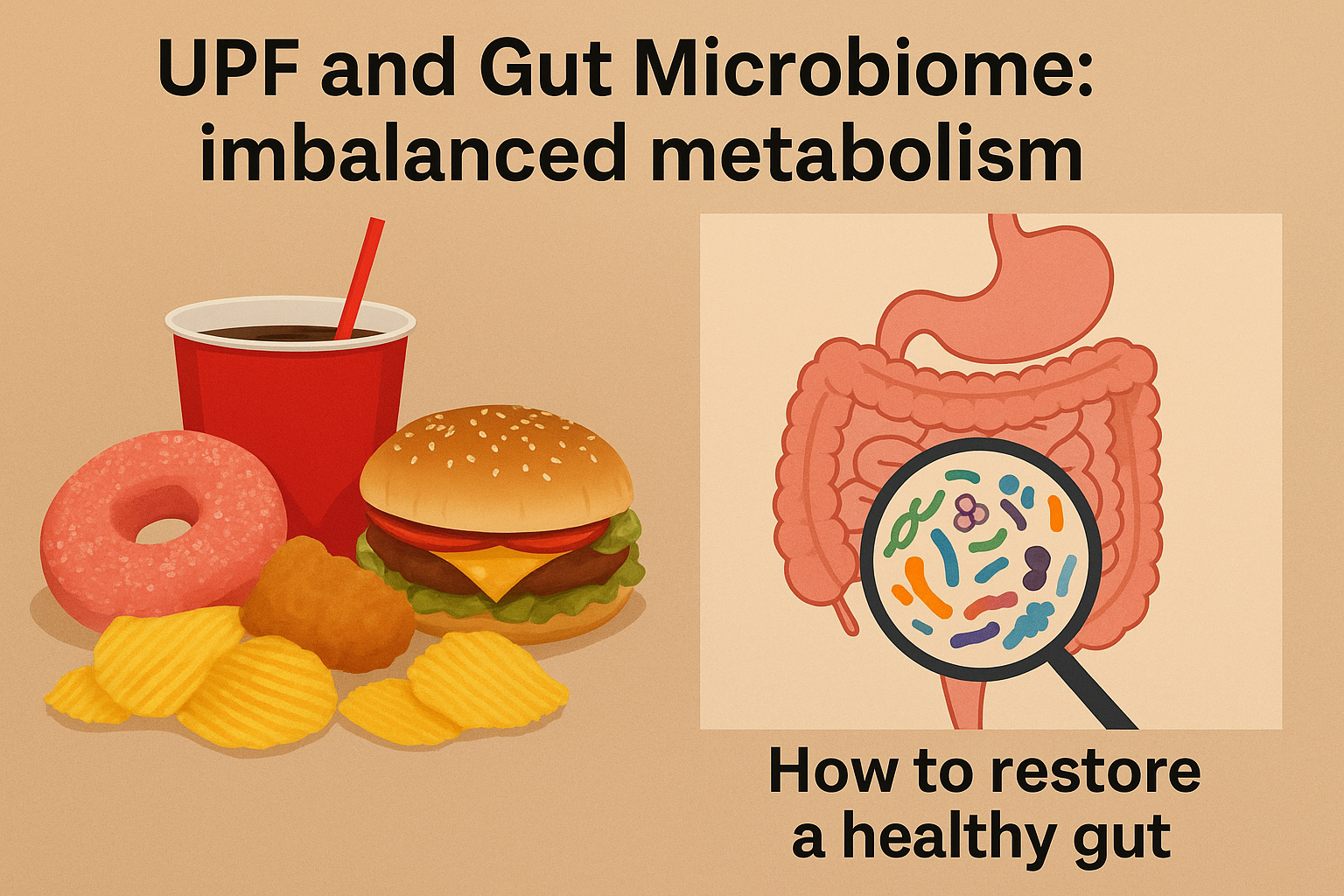
Clear your cupboards of ultra-processed foods, sugary snacks, sweets and fizzy drinks. Replace them with real, whole foods: nuts, legumes, canned fish, whole grains like oats and whole wheat.
Out of sight, out of mind. It’s true for food as well. Out of reach, out of desire. It works wonders.
2. The Way You Cook
If your meals are often rich and heavy, it’s time to rethink how you cook.
Use olive oil instead of industrial fats.
Cook more seasonal vegetables.
Prepare healthy meals in advance so you always have something ready and don’t end up putting a pizza in your oven because you’re exhausted.
3. Your Daily Habits
Take an honest look at your habits.
Do you eat while watching TV?
Do you eat quickly in front of your computer?
Do you snack frequently?
Do you automatically have a sweet dessert after every meal?
Do you have dinner late or early?
Do you eat hen you are stressed and anxious?
Some of our habits are responsible for gradual weight gain. Becoming aware of them is the first step towards positive change.
4. Physical Activity (Beyond Weight Loss)
We eat far more than we did 60 years ago and we move far less. In the past, movement was unavoidable: walking to the bus, to school, to work, to the shops. Many jobs were physically demanding.
Today, we spend most of our lives sitting: working, driving, eating.
That’s why physical activity is no longer optional. Not only for weight management, but for overall health.
You don’t need extreme workouts, you can choose what fits your life and needs. The most important thing is to be less sedentary.
Why need both a balanced diet and Pleasure ?
To be able to stay for the long run, and have a sustainable weight loss without Yo-yo effect, you will need two eat a balanced diet and include pleasure to it. Why ?
Because beyond calories your body has multiple needs :
Taste and pleasure
Nutritional needs (vitamins, proteins, minerals)
If you don’t enjoy your food or allow yourself some pleasure foods, you’re far more likely to binge-eat unhealthy options.
If your diet lacks variety or balance, your body will feel deprived even if you eat enough calories. As a result, it will push you to eat more until it gets what it needs.
For example, deficiencies in vitamin D or iron can increase feelings of hunger. That’s why calories alone are not the whole story.
Calories Matter. But they are not everything
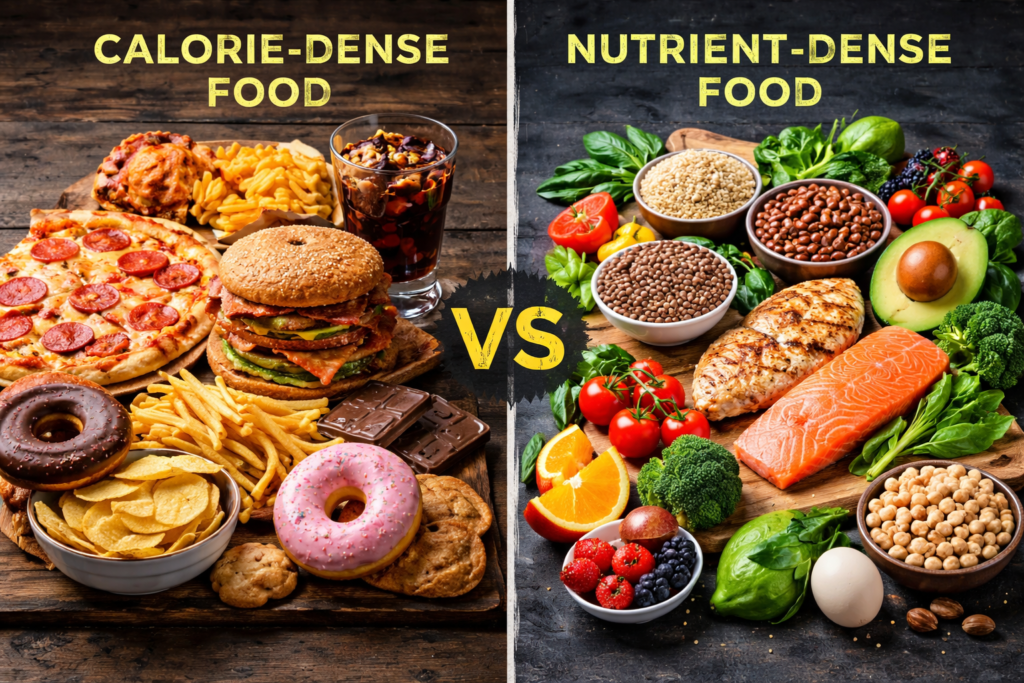
Learning to differentiate between calorie-dense foods and lighter options is useful because it helps you understand how much energy you are consuming. However, weight loss is not just about calories. Your body needs to be nourished, not simply filled. That is why focusing on nutrient-dense foods is essential: they support proper bodily function and help regulate appetite naturally.
Before Starting a Diet. Do This Instead
Before committing to another diet, take a step back then reflect on your life as a whole.