
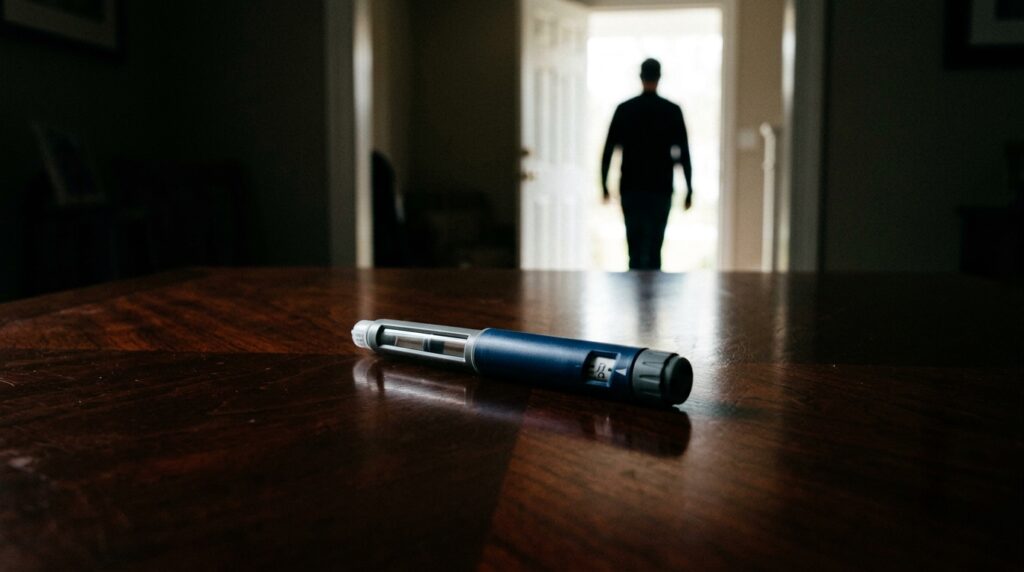
While Ozempic is currently surrounded by immense hype, it has an inconvenient statistic trailing behind it. Most of the people who start taking it don’t stay on it.
Ozempic (semaglutide) has become one of the most talked-about medications in modern medicine. Prescribed for type 2 diabetes and used off-label by millions chasing rapid weight loss. But behind the headlines about “miracle” results, a quieter story is unfolding People stop taking it, those who continue often don’t lose much weight, and eventually, the drug simply stops working
A History of “Miracle” Cures
Ozempic is the latest in a long line of weight loss treatments that have gone through a “euphoric stage” before fading. In the 1960s, amphetamines were popular for appetite suppression until addiction became a crisis. . The 1990s saw the rise and fall of Fen-Phen due to heart disease risks. The 2000s brought a wave of bariatric surgery that eventually saw many patients regaining weight and regretting the procedure. Ozempic is currently in this same stage of euphoria. Where it is being studied for its benefits on everything from heart disease to dementia.
The Numbers Behind the Ozempic Exodus
he scale of Ozempic discontinuation is larger than most patients expect when they start treatment. According to a 2024 JAMA Network Open analysis highlighted by Northwestern Medicine researchers, somewhere between 50% and 75% of people who begin GLP-1 medications like Ozempic stop taking them within the first year. One pharmacy claims analysis from Prime Therapeutics found that only 15% of patients prescribed a GLP-1 for weight loss were still on it two years later. More than 30% dropped out within the first month alone.
Even the more conservative academic estimates tell a similar story. A real-world discontinuation study found roughly a third of patients quit once-weekly Ozempic within 12 months. While broader data across injectable GLP-1 drugs put 24-month discontinuation as high as 70%.
These aren’t fringe numbers. They represent a pattern significant enough. The Northwestern Medicine cardiologist described the dropout rate as “staggeringly high”.
Why Are Patients Quitting Ozempic?
The reasons patients give for stopping rarely make headlines the way weight-loss success stories do. Several factors show up again and again in patient surveys and clinical research.
1. Gastrointestinal Side Effects
Nausea, vomiting, and diarrhea are the most commonly cited reasons for quitting. A 2025 RAND Corporation survey found that roughly half of GLP-1 users experienced nausea, a third reported diarrhea, and about one in five reported vomiting. For many patients, these symptoms don’t fade, they persist, escalate with dose increases, and eventually outweigh the benefits.
2. Underwhelming or Plateaued Weight Loss
Not every patient sees the dramatic transformation promised by social media. Research shows a meaningful share of users discontinue specifically because their weight loss stalls or never reaches a clinically significant level. Even after months of treatment and dose escalation.
3. Cost and Insurance Barriers
Without insurance coverage, Ozempic can cost over $1,000 a month. Many insurers have tightened coverage for off-label weight-loss use. Patients don’t always choose to stop. Often, they’re priced out.
4. Underlying Health Conditions
Newer data suggests certain patients are more likely to quit early. People with a history of psychiatric medication use were found to be about 12% more likely to discontinue within the first year, and those with cardiovascular disease or other chronic conditions were roughly 10% more likely to stop a troubling pattern, since these are often the patients who stand to benefit most.
5. “Ozempic Face” and Body Image Concerns
Rapid weight loss can lead to visible facial thinning and skin laxity, sometimes called “Ozempic face.” For some patients, the cosmetic side effects of fast weight loss have become their own reason to reconsider treatment.
What Happens to Your Body When You Stop Ozempic ?
This is the part of the story that rarely gets attention: quitting Ozempic isn’t the end of the story, it usually triggers a new one.
Clinical research consistently shows that most patients regain a significant portion of the weight they lost after stopping, commonly around two-thirds of it within a year, along with reversals in blood sugar control, blood pressure, and cholesterol improvements gained during treatment. Weight regain after stopping GLP-1 drugs also appears to happen faster than after almost any other weight-loss intervention, according to research presented at the Endocrine Society’s 2026 annual meeting.
Interestingly, the same research found that quitting isn’t always permanent. A large claims-data study covering patients with type 2 diabetes found that most people who discontinue GLP-1 medications eventually restart them, suggesting “quitting” Ozempic is often more of a pause than a true exit, driven by cycles of side effects, cost, and rebound symptoms rather than a single final decision.
The Bigger Picture: A Drug Built for a Marathon, Used Like a Sprint
Semaglutide and other GLP-1 drugs were designed as long-term, arguably lifelong, therapies, not short-term fixes. But the discontinuation data suggests a mismatch between how the drug is meant to be used and how patients are actually using it. Cost, side effects, access issues, and unrealistic expectations set by social media are colliding with a treatment model that only works with sustained use.
For patients considering Ozempic, or already on it and struggling. The takeaway isn’t that the drug doesn’t work. It’s that success with GLP-1 medications depends heavily on managing expectations, side effects, and the financial and medical realities of staying on treatment long enough to see it through, ideally in partnership with a doctor rather than through trial and error alone.
Disclaimer : the content is for informational purposes and not a substitute for medical advice from a licensed provider.